Google’s Core Web Vitals update has redefined the way websites are ranked, making user experience more critical than ever. If your website isn’t optimized for these key performance metrics, you risk losing rankings, traffic, and ultimately, conversions.
At DashTeams, we specialize in SEO optimization, ensuring businesses stay ahead of search algorithm updates and maximize their online presence. This guide breaks down everything you need to know about Core Web Vitals and how to optimize your site effectively.
What Are Google’s Core Web Vitals?
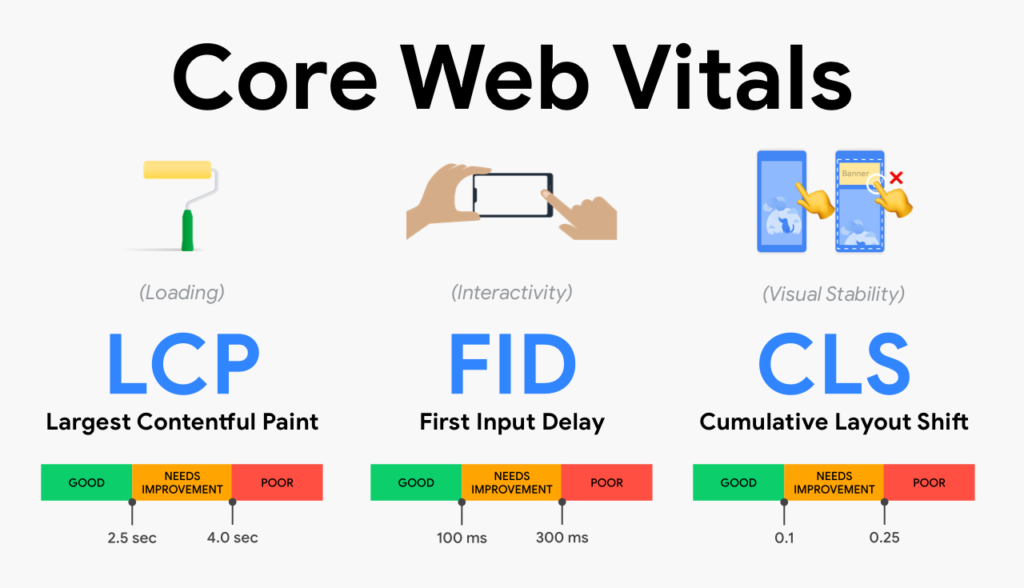
Core Web Vitals are a set of three user experience metrics that Google uses to measure the health of a website:
- Largest Contentful Paint (LCP) – Measures loading performance. An ideal LCP score is under 2.5 seconds.
- First Input Delay (FID) – Measures interactivity. A good score is below 100 milliseconds.
- Cumulative Layout Shift (CLS) – Measures visual stability. A CLS score should be less than 0.1.
These factors directly impact search rankings and user satisfaction. Websites that meet Google’s Core Web Vitals criteria gain a competitive edge in search results.
Why Core Web Vitals Matter for SEO
Since Google prioritizes user experience, websites failing to meet Core Web Vitals benchmarks may see significant ranking drops. High bounce rates, slow load times, and poor responsiveness negatively impact user engagement and conversion rates. Investing in optimizing these metrics ensures:
- Higher search rankings
- Improved user experience
- Increased conversions and reduced bounce rates
- Faster page load times, leading to better retention
For a comprehensive SEO strategy, our SEO services focus on improving Core Web Vitals while enhancing overall website performance.
How to Optimize for Core Web Vitals
1. Improve Largest Contentful Paint (LCP)
Strategies to enhance LCP:
- Optimize server response times
- Implement lazy loading
- Compress and optimize images
- Use a Content Delivery Network (CDN)
2. Reduce First Input Delay (FID)
Ways to improve interactivity:
- Minimize JavaScript execution time
- Use browser caching and code splitting
- Optimize third-party scripts
3. Minimize Cumulative Layout Shift (CLS)
Best practices for visual stability:
- Define image dimensions in HTML/CSS
- Avoid inserting dynamic content above existing elements
- Utilize font-display: swap for faster rendering
By leveraging our SEO optimization services, businesses can ensure their websites meet and exceed Google’s performance benchmarks.
Real-World Examples & Case Studies
Case Study: Website Speed Optimization for Increased Rankings A leading e-commerce client saw a 35% increase in organic traffic after implementing our Core Web Vitals optimization strategies. By reducing LCP from 4.2s to 1.8s and improving FID, their site ranked higher in competitive keywords, leading to increased sales.
Explore similar case studies here.
Related Digital Marketing Services
Enhancing your Core Web Vitals is just one piece of the puzzle. To maximize your online presence, consider our related services:
Looking for e-commerce solutions? Visit our E-Commerce Services page for tailored optimization strategies.
Additional Business Services
Beyond SEO, we offer:
Final Thoughts: Future-Proofing Your Website
Google’s Core Web Vitals update is here to stay, and businesses must adapt to maintain visibility and competitiveness. Investing in website performance not only improves rankings but also enhances user satisfaction and conversion rates. Let DashTeams help you optimize your site for peak performance.
Ready to enhance your Core Web Vitals? Contact us today!